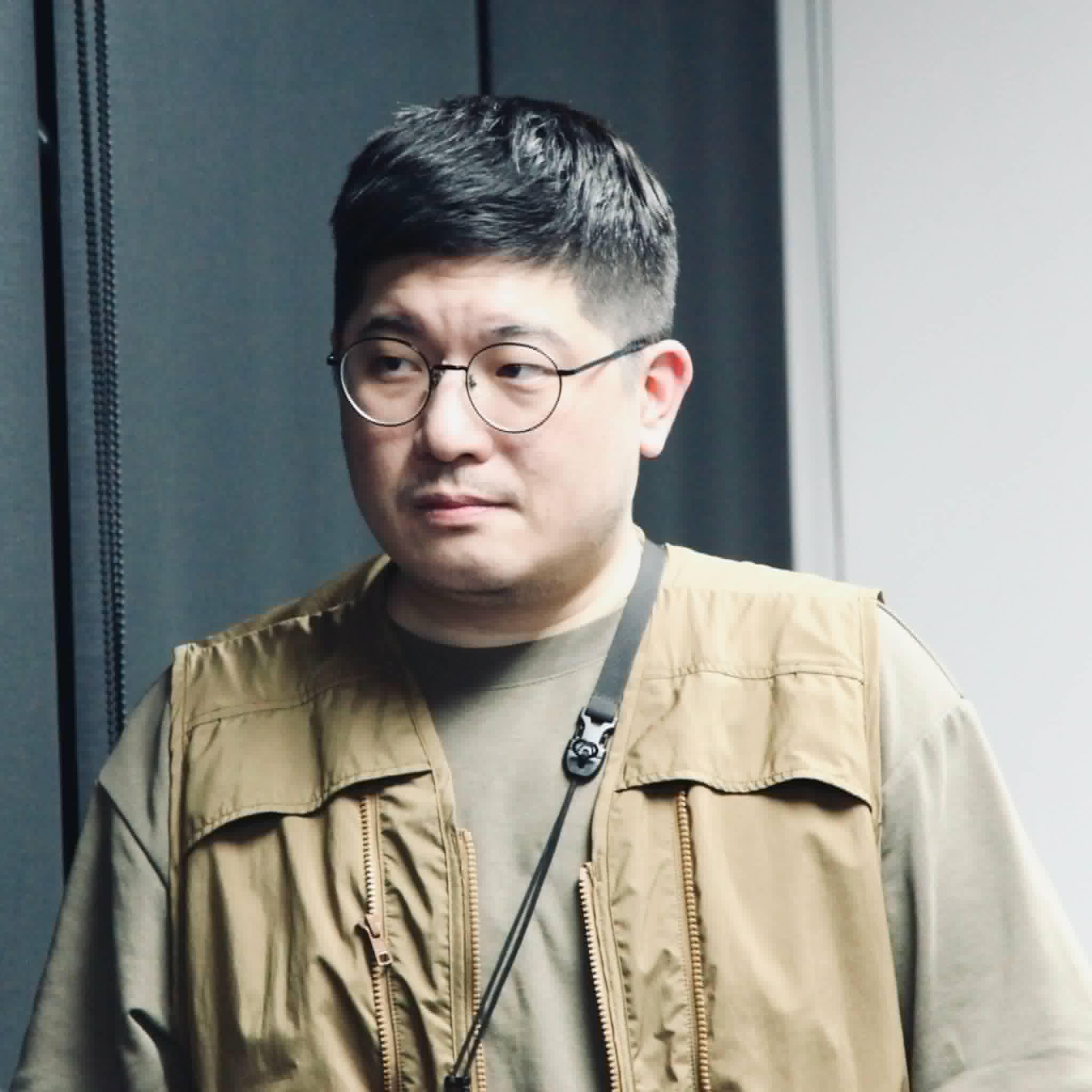
Chih-Liang Hsieh
When the Flash Gets Fast Enough to See Electrons? Walking the Research Path on the Shoulders of Nobel Giants
What could the world's fastest “flash” possibly capture? Starting from the familiar camera flash, we compress the timescale of light step by step: from milliseconds, microseconds, nanoseconds and picoseconds to femtoseconds and even attoseconds. Along this road were born the lasers and ultrafast optics that reshaped modern technology, together with the stories behind several Nobel Prizes. It is also the story of my own research journey: from femtosecond microscopy in my master's program at National Chiao Tung University in Taiwan, to nonlinear interactions between femtosecond light and matter at EPFL in Switzerland, and to making light perform AI computation. Today, at the attoworld laboratory in Germany, I explore ultrafast phenomena and applications on the attosecond scale.
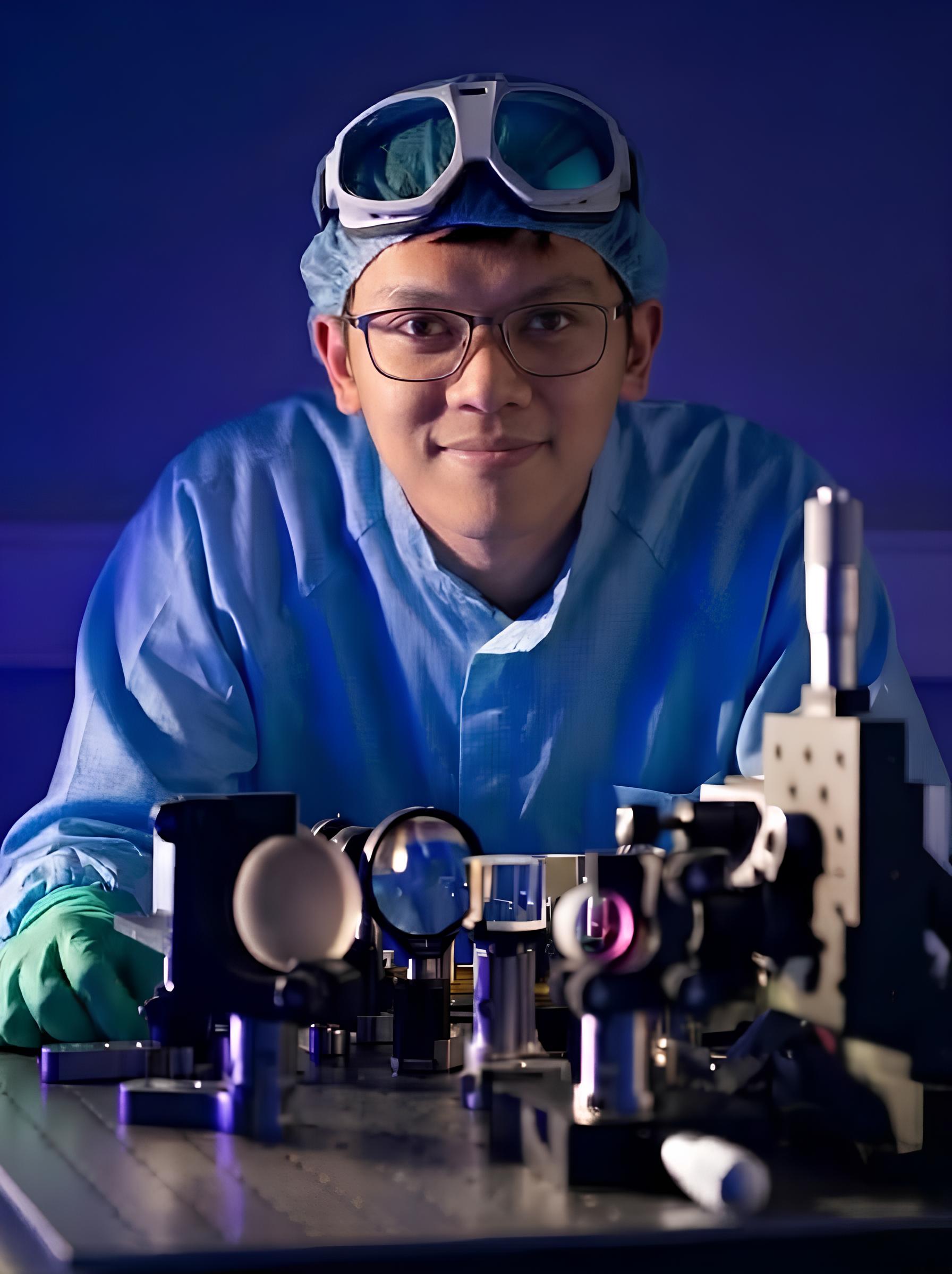
Ho-Yun YuChih
Black Hole Energy Extraction and Magnetic Reconnection
I graduated from Duke Kunshan University, and my recent research concerns black holes. Black holes were long regarded as the end point of spacetime and information. As physicists' bold ideas and theories developed, however, it turned out that black holes are not strictly “one-way”: part of the energy stored in a spinning black hole can be extracted in a physically consistent way. Magnetic reconnection is a common phenomenon in magnetized plasmas, seen everywhere from solar flares to accretion flows around black holes, and my research examines what role it plays in black hole energy extraction. My latest work extends this approach to more general black hole spacetimes, testing how the energy extraction efficiency changes when the theory of gravity deviates from general relativity.
Yi-Yu Wang
A Cross-disciplinary Path of Scientific Exploration
Science fairs in primary and middle school were my introduction to the natural sciences. Several summers volunteering at a wild bird association in Taiwan and mathematical modeling in high school then built my curiosity for exploring different fields. At university I interned at the Biodiversity Research Center, Academia Sinica, from a computer science perspective, and later joined a student research project that used computer simulation to analyze the mechanical performance of termite elastic mandibles. Besides distributed-systems research in my CS department, my interest in post-quantum cryptography took me back to Academia Sinica for another internship. After moving through several disciplines, I chose to become a software engineer in London. Although I did not pursue an academic career, the curiosity, observation and critical thinking these scientific explorations gave me still shape me deeply.
Shih-Chan Hsu
The Same Whirligig Beetle, Different Questions
From my first encounter with whirligig beetles in primary school to revisiting, in high school, why they dive so fast from a physics perspective, I gradually came to appreciate that scientific research does not need an impressive topic at the start; it accumulates slowly from curiosity, observation and one question after another. As I learned mechanics, 3D modeling and fluid analysis, I began to turn plain phenomena into hypotheses and then test them with models and experiments. In this talk I hope to start from my own growth and discuss which kinds of learning, environments and choices help young people turn curiosity into real research, and how to keep the ability to judge and verify answers in the age of AI.
Ho-Chen Hsu
High school: High-Frequency Intermittent Locomotion of Phorid Flies | University: undecided
I am currently a third-year student in the Department of Dentistry at National Taiwan University, and attended the Science Class at Changhua Senior High School. Shaped by the Science Class curriculum, I began scientific research in my second year of high school; out of interest in physics and biology, I joined a biomechanics laboratory at National Chung Hsing University to study the high-frequency intermittent locomotion of phorid flies. At university, an introductory research course introduced me to periodontal stem cells; combined with my own experience of a cruciate ligament injury, I began to consider whether periodontal stem cells could be applied to ligament repair, and so started a new research journey.
Yu-En Chang
The Unexpected Diversity of Claw-only Attachment: A Mechanical Analysis of Termite Claw Morphology, Attachment Force and Ecological Adaptation
I am currently enrolled in the Bai-Chuan Program (an undeclared-major program) at National Yang Ming Chiao Tung University. In high school, my interest in physics and biology led me into biomechanics research; starting from how termites grip rough surfaces of different kinds, I extended the work to species, morphology and behavior. After entering the Bai-Chuan program, I kept doing scientific research while also starting to study software design, gradually shaping my future direction in an interdisciplinary environment. For me, basic science is not just high school research but the starting point that keeps me exploring my interests, building my abilities and combining different fields.
Jen-Pu Tsai
Teacher at Taipei First Girls' High School · Founder of the Biology Concept Decoding Movement
Jen-Pu Tsai (known as “Captain”) teaches at Taipei First Girls' High School. Captain has received the Ministry of Education's Shi-Duo Award and the Taipei City Special Outstanding Teacher Award, has repeatedly advised award-winning science fair and Macronix Science Award projects, has published the Biology Concept Decoding series (《生物學學理解碼》) and Hands-on Science Inquiry (《動手做科學探究》), and has given a TEDx talk. Captain founded the “Cockroach Lab” (Animal Behavior and Physiology Laboratory) and launched the “Biology Concept Decoding Movement” in 2014, turning dense literature into accessible inquiry materials for students and teachers.
Kai-Jung Chi
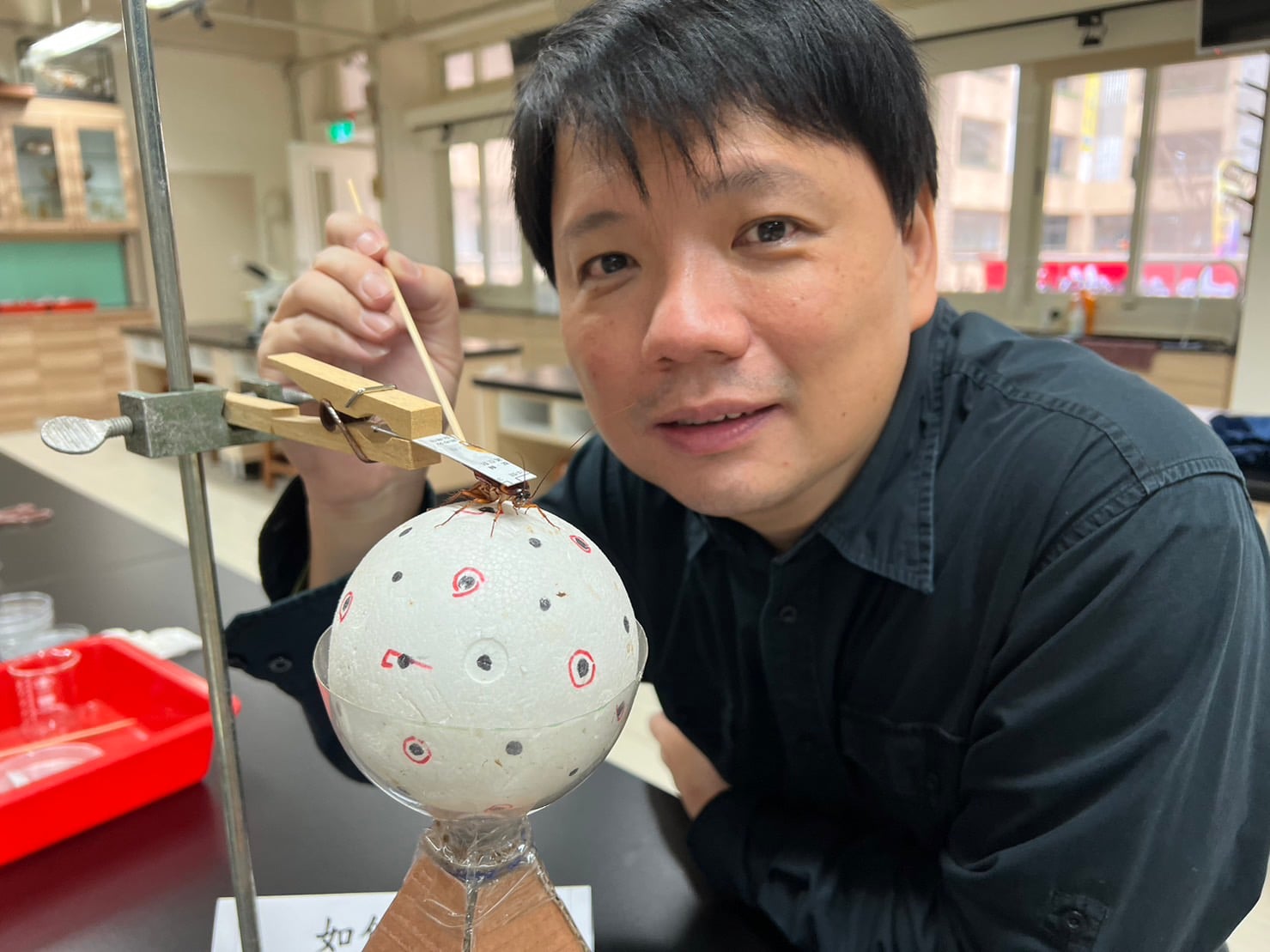
Comparative Biomechanics · Functional Morphology · Biomimetic Science
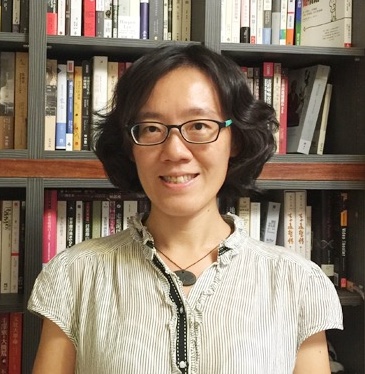
How does a shark's nose move water across its olfactory organ? Why are bird feathers arranged the way they are? How does a termite snap its mandibles? Professor Chi's research begins with a visible structure in an animal and uses mechanics to ask why it has that form and moves that way. Professor Chi teaches in the Department of Physics at National Chung Hsing University, holds a Ph.D. in Zoology from Duke University, and works across comparative biomechanics, functional morphology and biomimetics. Over the years Professor Chi has supervised dozens of undergraduate research projects, won innovation awards together with students, and has long worked with high school students on research.
Hou-Feng Lee
Urban Entomology · Termite Biology and Control
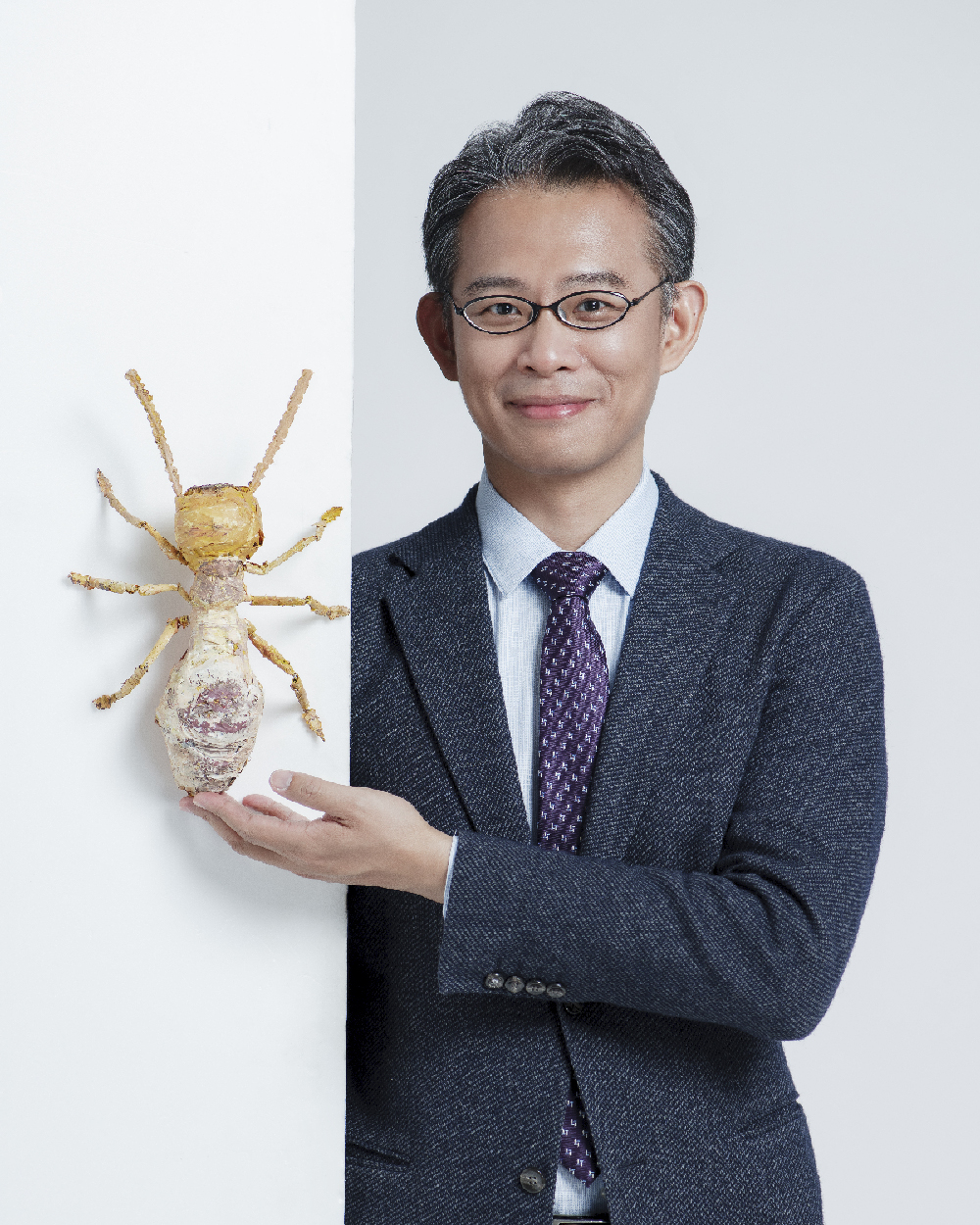
How do termites end up in our buildings, and how do we get them to leave? Professor Lee studies insects in cities, especially termite biology and control. Professor Lee holds a Ph.D. in Entomology and Nematology from the University of Florida, teaches in the Department of Entomology at National Chung Hsing University, leads the Urban Entomology Laboratory, and teaches scientific research methods. Over the years Professor Lee has supervised dozens of undergraduate research projects, won innovation awards together with students, and has long worked with high school students on research.
Meng-Tzu Cheng
Professor · Science Education Forum
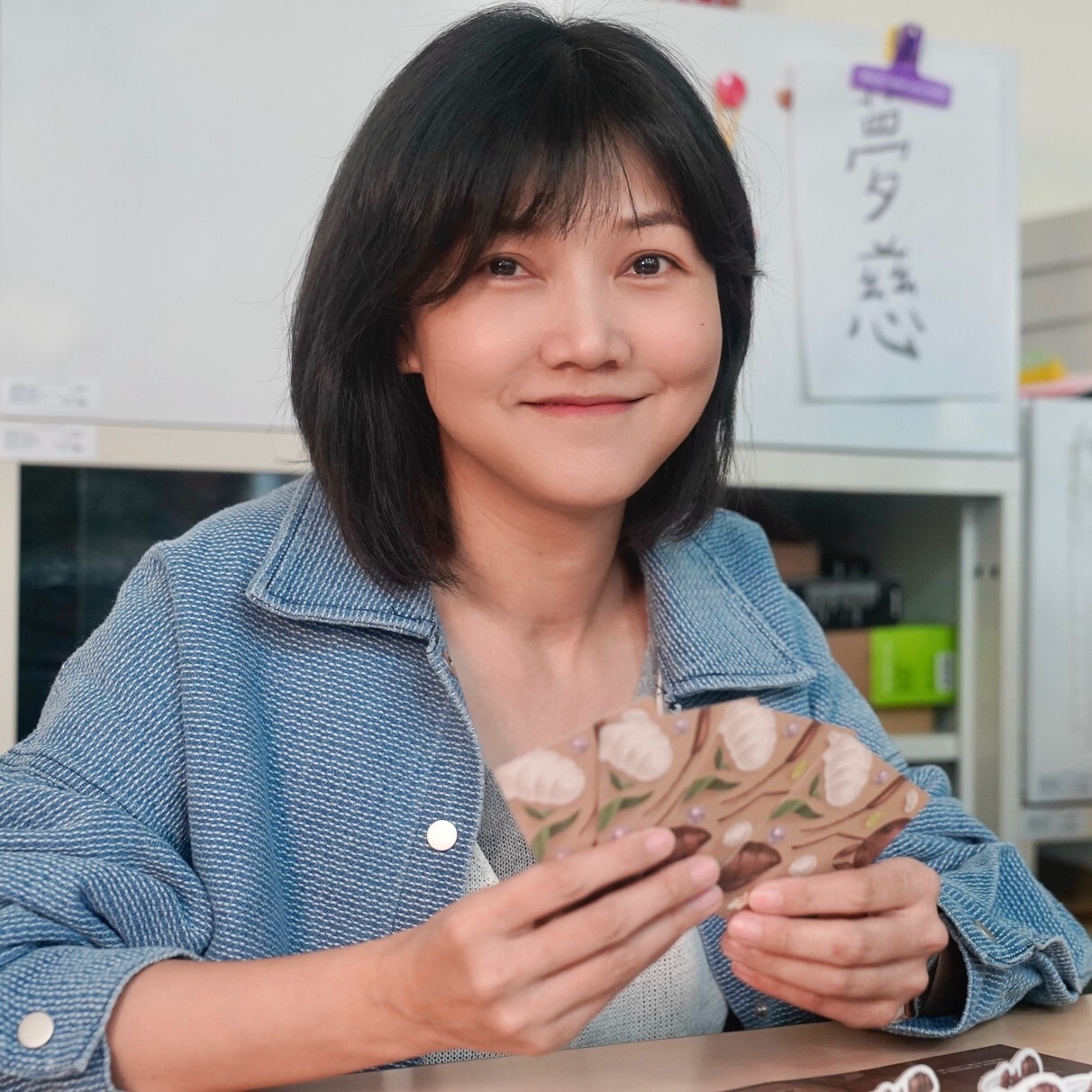
Can playing a game actually teach students how the immune system works? That is the question Professor Cheng studies: putting scientific concepts inside games, and watching how people learn from them and what they take away. Professor Cheng teaches in the Department of Biology at National Changhua University of Education and leads the Biology Multimedia Education Laboratory, with a B.S. in Botany from National Taiwan University, an M.S. in Biology from National Taiwan Normal University, and a Ph.D. in Science Education from North Carolina State University. Research centers on science education, educational games and web-based learning, and has produced two patents: a human immunity teaching device and an evolution learning game device.
Chun-Han Shih
From Counting Ants to Red Imported Fire Ant Control
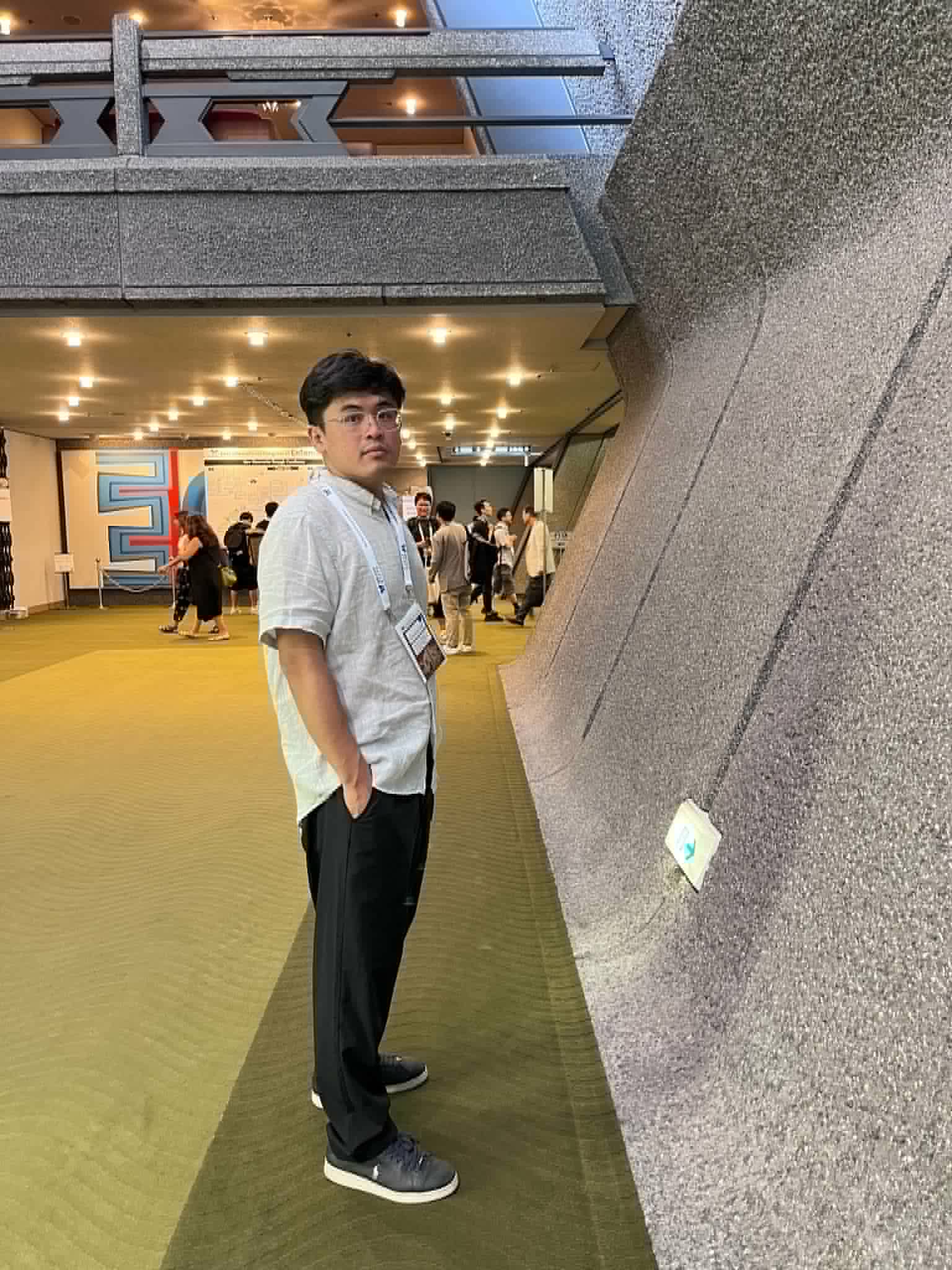
“Counting ants every three minutes for seven days straight” was the topic of his graduate research: he wanted to know at what time of day ants come out to forage. Back then, many people asked him what the point of counting was. The study was later connected to a liquid bait and a dedicated bait station, earning two invention patents; he then moved from biology to geography for his doctorate, teaching computers to automatically locate red imported fire ant mounds in aerial images. The first asks “when”, the second asks “where”; together they give the timing and the location for control work. The company he founded now carries out red imported fire ant control for the government, with a cumulative treated area of more than 7,000 hectares. This talk tells a story that began with counting ants. B.S. and M.S. in Biology, Ph.D. in Geography, National Changhua University of Education.
Wei-Ting Hsu
Science Begins with a Problem You Want to Solve
For me, entering scientific research was not a path planned in advance. After graduating from a graduate institute of animal science, I chose to enter the livestock industry, where I saw, on the front line, many challenges waiting to be solved. That experience gave me an idea: instead of waiting for answers, could I use my own expertise to create new possibilities? So I brought the observations I had gathered in industry back to academia, did research on viruses and molecular biology at Academia Sinica, and during my Ph.D. used genetic engineering to develop a new type of vaccine. But research results are not the end point; I wanted them to truly respond to the needs I had first seen. That aspiration led me into biotech entrepreneurship, moving technology from the laboratory toward application, and earning the Presidential Award at the Startup Alliance Competition (創業大聯盟競賽). Along the way, I have come to believe that the value of science lies not only in exploring the unknown, but in discovering problems in the real world, using science to find answers, and bringing those answers back to where they are needed.
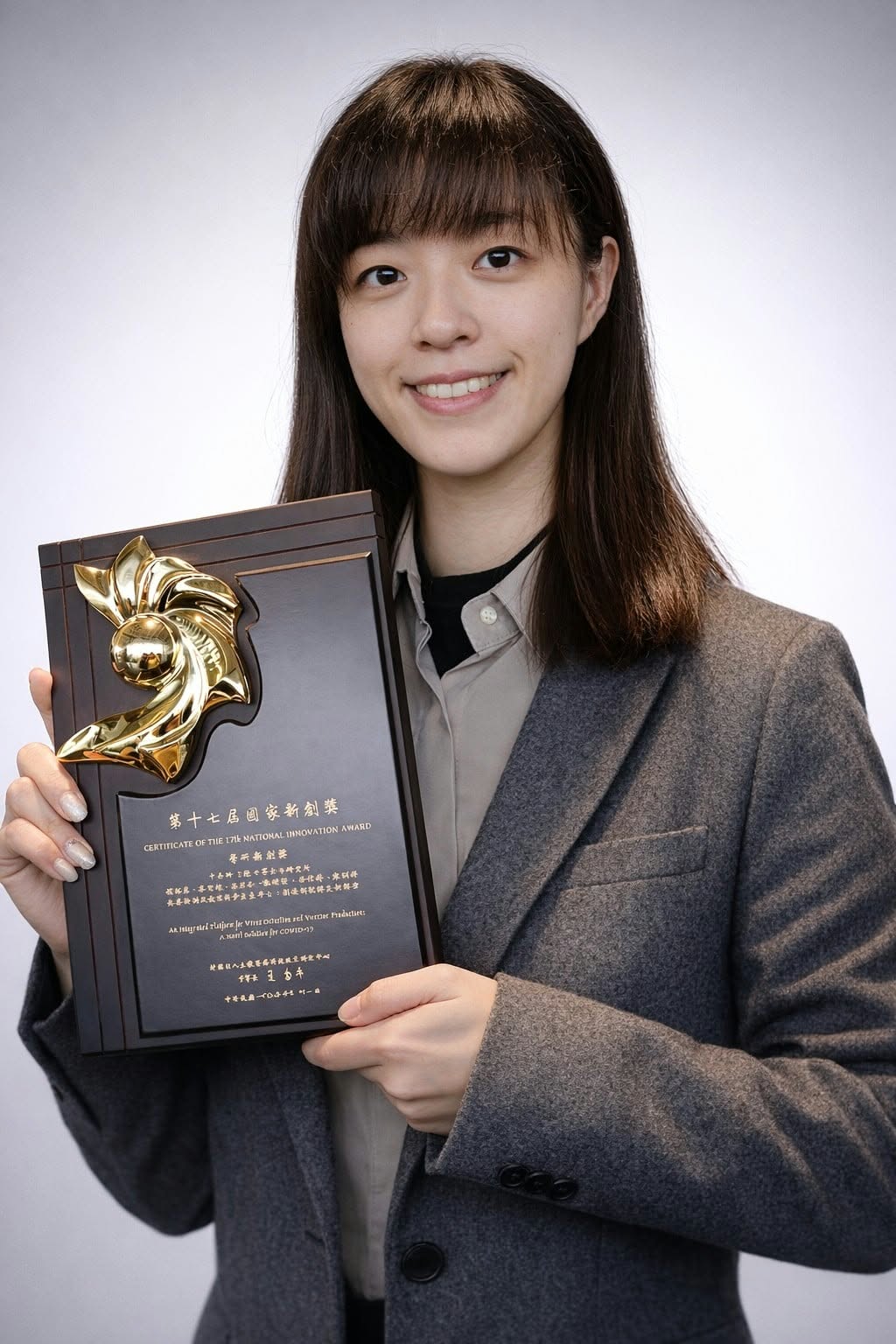
Kuang-Yi Ku
Instructor · Science & Art Workshop
Currently a full-time Assistant Professor at the Institute of Applied Arts, National Yang Ming Chiao Tung University, and also pursuing practice-based doctoral research across art, design and the biological sciences at Sheffield Hallam University, UK. He holds master's degrees from the Social Design program at the Design Academy Eindhoven (Netherlands), the Institute of Dentistry at National Yang Ming Chiao Tung University, and the Graduate Institute of Media Design at Shih Chien University, and a bachelor's degree from the School of Dentistry at Kaohsiung Medical University. He is a dentist, a bio artist and a speculative designer. He seeks to extend the possibilities of combining art, design and science, with works focusing on clinical medicine, the human body, relationships between humans and other species, and gender issues, using artistic practice and design methods to explore ethical questions in science and to reflect on the relationships among technology, individuals and the environment.